Top 5 EV Charging Mistakes New Owners Make
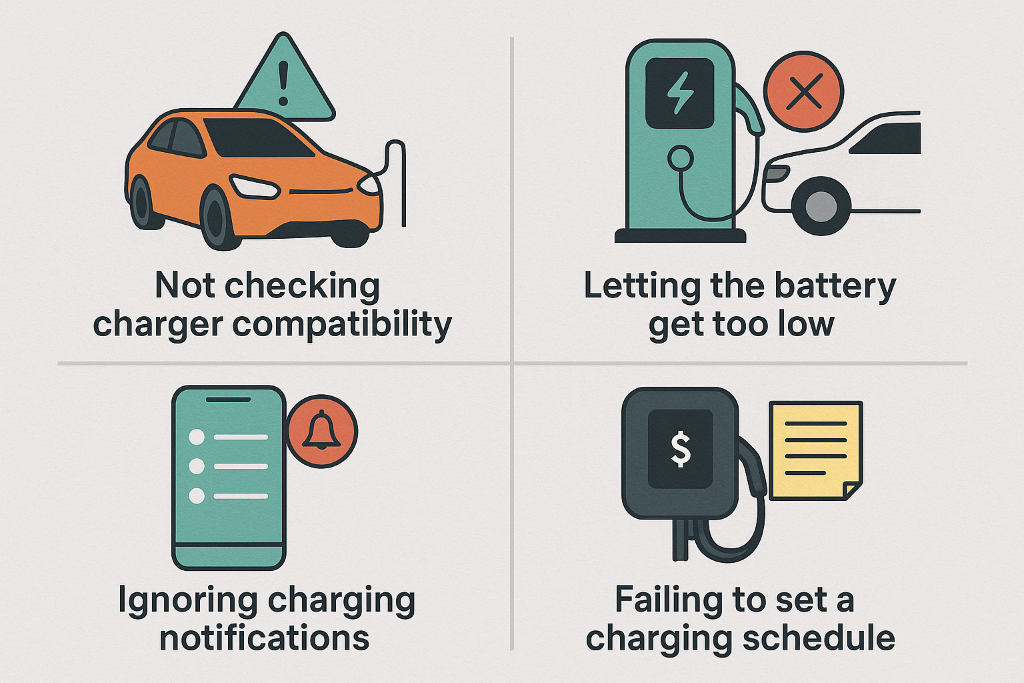
Switching to an electric vehicle is exciting, but the learning curve can catch many new owners off guard. From charging habits to equipment choices, a few simple mistakes can affect convenience, battery health, and overall ownership costs. At EVsphere, we help new EV owners avoid these pitfalls so they can get the best performance and value from their vehicle. Here are the top five mistakes new EV owners make and how to avoid them. Choosing the Wrong Home Charger Many new owners buy the first charger they see without understanding amperage, charging speeds, or electrical requirements. This can lead to slow charging, unnecessary panel upgrades, or buying equipment that their car can’t even use. How to avoid it: • Match your charger’s amperage to your home’s panel capacity. • Check your vehicle’s maximum charging rate. • Consider whether you need smart features like scheduling or energy tracking. A properly sized Level 2 charger is one of the most important decisions in the EV ownership experience. Relying Too Much on Public Charging New owners often assume they’ll use public chargers regularly, only to discover they’re more expensive, less reliable, and more time-consuming than expected. Public fast charging is helpful, but it should never be your main source of charging. How to avoid it: • Use home charging as your primary method. • Install a Level 2 charger as soon as possible. • Use fast chargers only when needed on long trips. Home charging is cheaper, easier, and better for your battery. Charging the Battery to 100% All the Time New EV owners sometimes treat their battery like a gas tank—filling it to 100% every night. But for most EVs, regularly charging to 100% can shorten battery lifespan. How to avoid it: • Keep daily charging between 20% and 80% when possible. • Reserve 100% charging for long road trips. • Use your charger’s scheduling features to stop charging early. Smart charging habits help your battery last longer. Ignoring Electrical Panel Requirements It’s common for new EV owners to buy a powerful charger without realizing their home’s panel can’t support it. This can result in expensive upgrades or delayed installations. How to avoid it: • Check your panel’s available amperage before choosing a charger. • Consider 32A or 40A chargers if your home has limited capacity. • Use smart chargers with load management to avoid overloading circuits. A little planning saves a lot of hassle (and money). Not Taking Advantage of Smart Charging Features Many owners buy a smart charger but never use the features that can save time and money. Things like scheduling, load balancing, and energy tracking can dramatically improve your charging experience. How to avoid it: • Set charging schedules for off-peak hours when electricity is cheaper. • Track usage so you understand your monthly EV energy cost. • Use remote monitoring to check charging status. If you paid for smart features, you should get the full benefit. Final Thoughts EV ownership is easier and more cost-effective when you understand the basics of charging, battery health, and home electrical systems. Avoiding these common mistakes helps you charge faster, save money, and enjoy a smoother transition into electric driving. EVsphere is here to help new EV owners choose the right charger and set up their home for long-term EV success.